
The Best S E O
What is Search Engine Optimized?
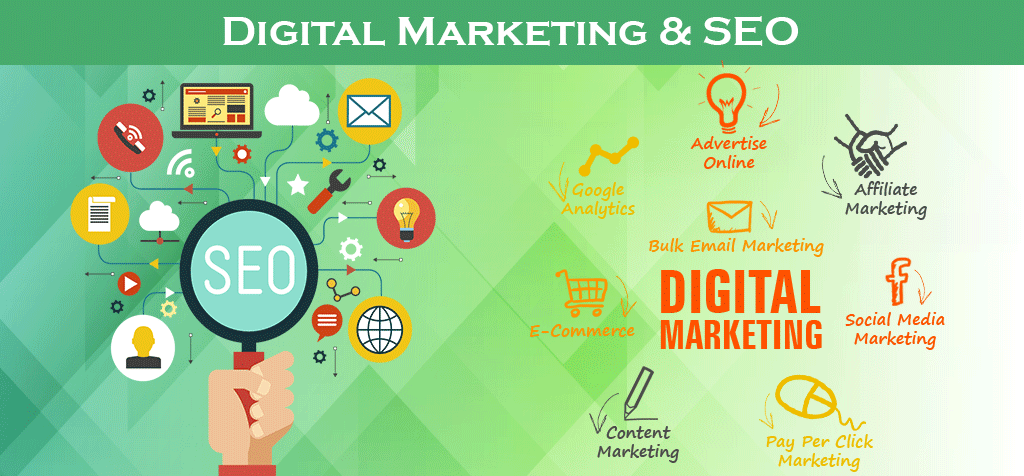
Best Search Engine Optimized (SEO) is the process of improving a website’s visibility in search engine results pages (SERPs). The primary goal of SEO is to increase organic (non-paid) traffic by helping search engines understand and rank website content effectively.
Search Engine Optimized (SEO) is the art and science of getting your website to rank higher on Google, Bing, and other search engines without paying for ads. In 2025, SEO drives 93% of all online experiences and generates 10x more traffic.
When users search for information on search engines such as Google, websites that are properly optimized are more likely to appear at the top of the results.
An SEO description, commonly known as a meta description, is a short snippet that summarizes a webpage’s content. It typically appears below the title in search engine results pages (SERPs) and helps users decide whether to click on the link. Here are some key points for writing effective SEO.
AI meta description tools are designed to automatically generate concise, keyword-rich summaries of web pages that appear under the page title in search engine results. These descriptions help attract clicks, improve search visibility, and enhance overall SEO performance. They analyze your content, keywords, and context to produce meta descriptions that are both human-readable and optimized for search engines
Why is Search Engine Optimized Important?
SEO is important because it:
- Increases website visibility.
- Drives organic traffic.
- Builds brand credibility and trust.
- Improves user experience.
- Generates leads and sales.
- Provides long-term marketing benefits.
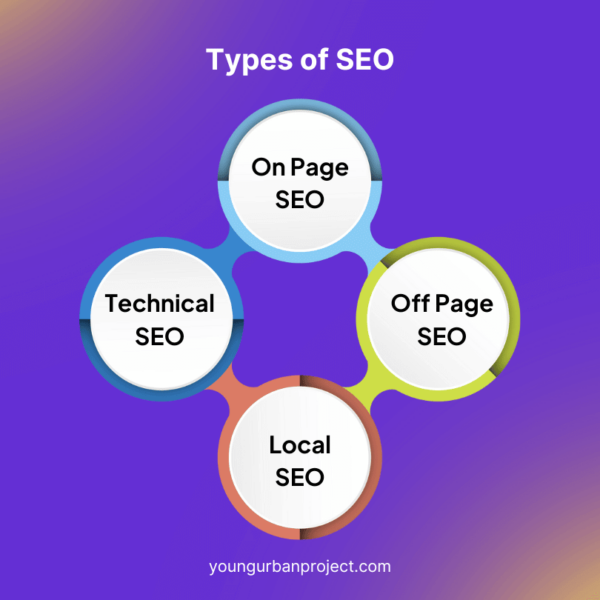
Types of SEO
Although your meta description can be of any length, it’s standard SEO practice to keep the meta description character limit between 150-160 or 430-920 pixels. This is because Google shows only around 155-160 characters as a description in SERPs. Off-page SEO (off-site SEO) is all about website promotion. While the previous Search Engine Optimized types concentrated more on the website infrastructure and content, off-page SEO involves techniques you can use to promote your website online. Popular websites are likelier to rank higher on Google than those of less popular websites.
1, On-Page SEO
On-page SEO focuses on optimizing elements within a website, including:
- Keyword optimized
- Title tags
- Meta descriptions
- Header tags (H1, H2, H3)
- Internal linking
- Image optimized
- Content quality
2. Off-Page SEO
Off-page SEO involves activities outside the website that improve authority and rankings, such as:
- Backlink building
- Guest posting
- Social media promotion
- Brand mentions
3. Technical SEO
Technical SEO ensures that search engines can efficiently crawl and index a website. Key aspects include:
- Website speed optimized
- Mobile-friendliness
- XML sitemaps
- HTTPS security
- Structured data
- Fixing crawl errors
Key SEO Ranking Factors
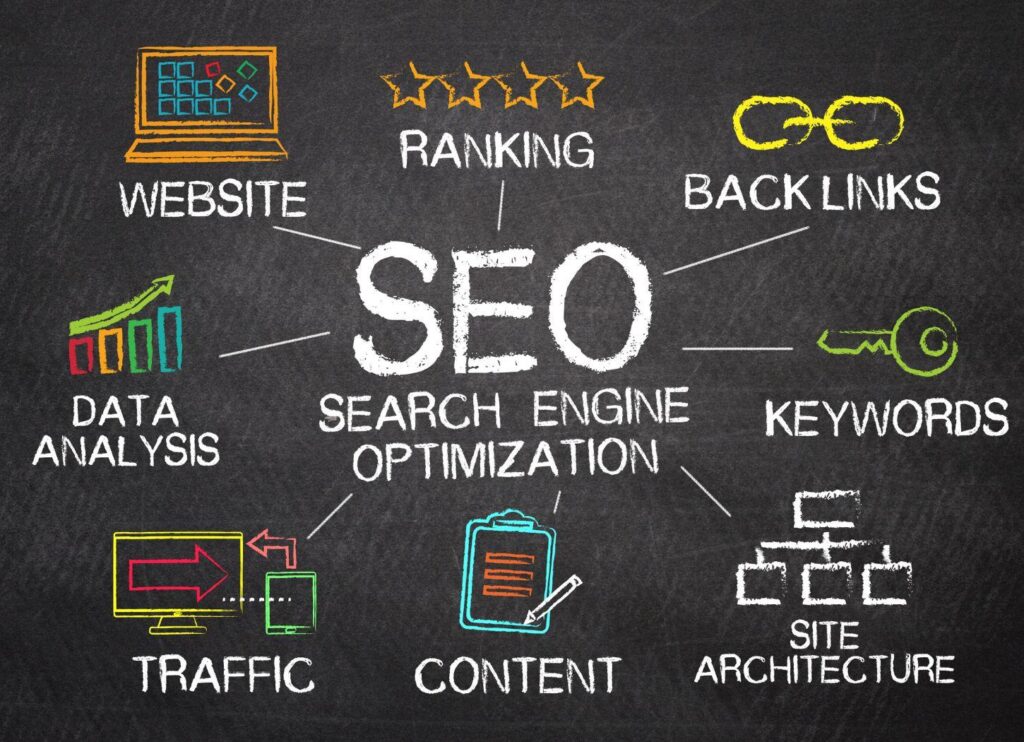
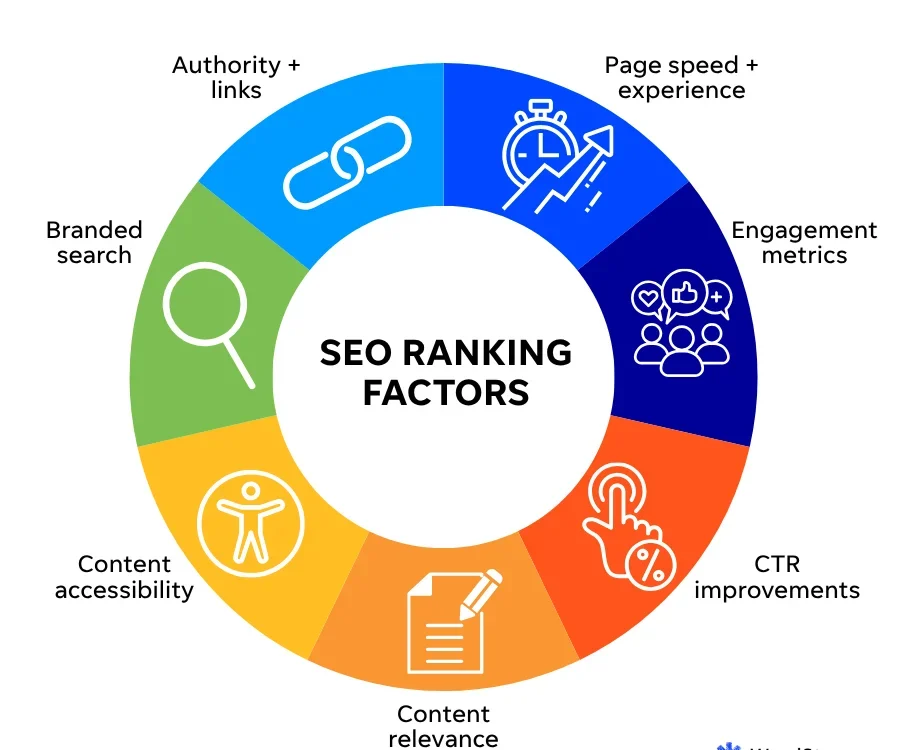
These are the top 8 SEO ranking factors. There are 200+ other factors that Google takes into account, but these are the ones that you should focus on first: 1. Quality Content:The most important SEO factor. Google wants to show users high-quality, informative, and relevant content. 2. Backlinks: Links from other websites to your website.
High-quality, in-depth content was the most critical factor for ranking in 2020. Google prioritized content that provided real value, covered topics comprehensively, and included relevant keywords naturally. Visual content such as images and videos also enhanced engagement and improved rankings. Semantic search and targeting user intent were essential to ensure content matched what users were searching.
Content Quality
Content quality is a critical factor in SEO Optimized. It involves creating high-quality, helpful content that drives search traffic and is well-optimized for search engines.
High-quality, relevant, and original content helps websites rank higher.
You want to mention your target keyword at least once in your meta description. And not because it gives you any direct SEO benefit. (Remember: search engines don’t use the content in your meta description as a ranking signal.) So why use your keyword in your description? Because it can help you get more clicks. Here’s why?
There are three main areas where character count affects SEO:
- Title tag: The page title shown in search results
- Meta description: The summary text displayed below the title in search results
- Body content: The main article text
Keywords
Keywords are the words and phrases users type into search engines. Proper keyword research helps target the right audience.
Backlinks
Backlinks from reputable websites act as votes of confidence and improve domain authority.
User Experience (UX)
Search engines favor websites that are easy to navigate and provide a positive user experience.
Mobile Optimized
Since most users browse on mobile devices, responsive websites receive better rankings.
- Lead with your keyword: If targeting “PDF compress free,” write “Free PDF Compression — How to…” rather than burying it
- Be specific: Include concrete details like “3 Methods” or “2026 Guide”
- Show the benefit: Use appeal words like “easy,” “free,” or “instant”
Popular SEO Tools

Conclusion
Search Engine Optimized (SEO) is one of the most effective digital marketing strategies for increasing online visibility and attracting targeted visitors. How certain words affect the emotion of a sentence. By focusing on high-quality content, keyword optimized, technical improvements, and backlink building, businesses can achieve sustainable growth and long-term success in search engine rankings.
By focusing on these metrics and continuously monitoring them, you can effectively measure the quality of your content in relation to SEO. Regular audits and adjustments based on these insights will help improve your content strategy and enhance overall performance.