
Search Engine Optimization (SEO)
What is SEO?
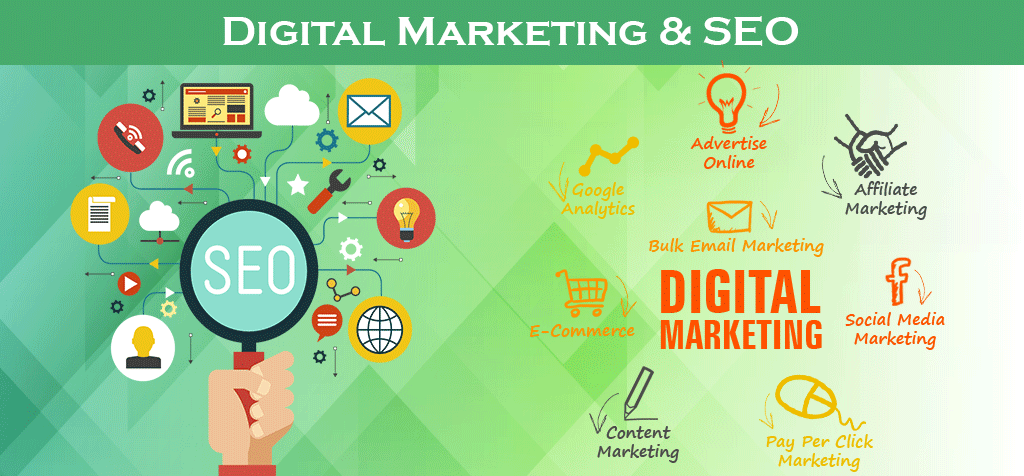
Search Engine Optimization (SEO) is the process of improving a website’s visibility in search engine results pages (SERPs). The primary goal of SEO is to increase organic (non-paid) traffic by helping search engines understand and rank website content effectively.
When users search for information on search engines such as Google, websites that are properly optimized are more likely to appear at the top of the results.
Why is SEO Important?
SEO is important because it:
- Increases website visibility.
- Drives organic traffic.
- Builds brand credibility and trust.
- Improves user experience.
- Generates leads and sales.
- Provides long-term marketing benefits.
Types of SEO
1. On-Page SEO
On-page SEO focuses on optimizing elements within a website, including:
- Keyword optimization
- Title tags
- Meta descriptions
- Header tags (H1, H2, H3)
- Internal linking
- Image optimization
- Content quality
2. Off-Page SEO
Off-page SEO involves activities outside the website that improve authority and rankings, such as:
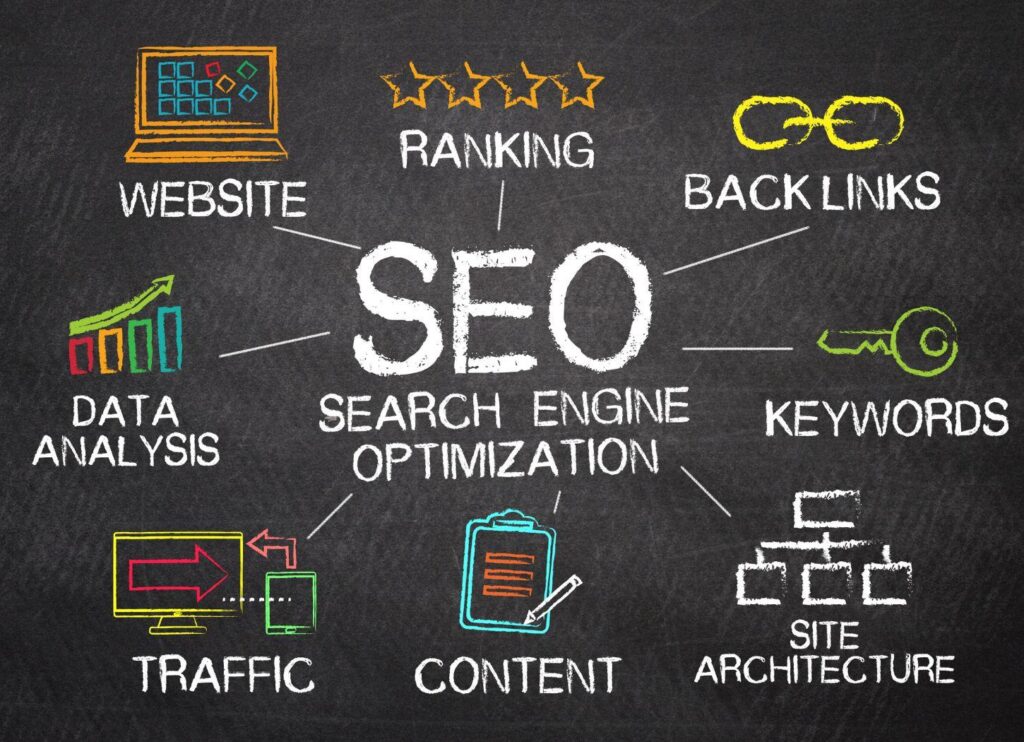
- Backlink building
- Guest posting
- Social media promotion
- Brand mentions
3. Technical SEO
Technical SEO ensures that search engines can efficiently crawl and index a website. Key aspects include:
- Website speed optimization
- Mobile-friendliness
- XML sitemaps
- HTTPS security
- Structured data
- Fixing crawl errors
Key SEO Ranking Factors
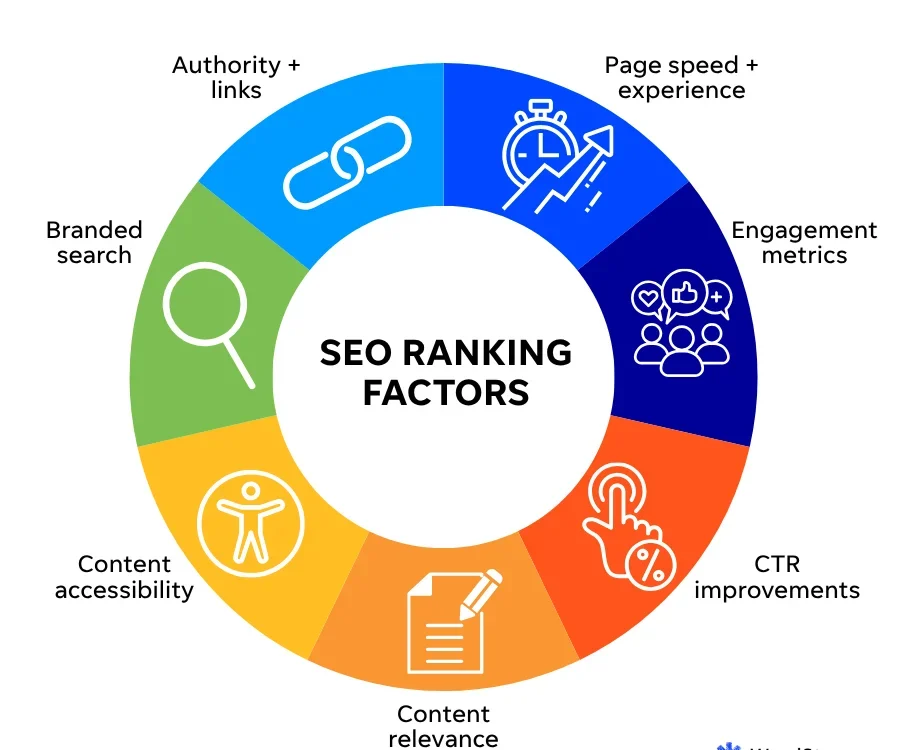
Content Quality
High-quality, relevant, and original content helps websites rank higher.
Keywords
Keywords are the words and phrases users type into search engines. Proper keyword research helps target the right audience.
Backlinks
Backlinks from reputable websites act as votes of confidence and improve domain authority.
User Experience (UX)
Search engines favor websites that are easy to navigate and provide a positive user experience.
Mobile Optimization
Since most users browse on mobile devices, responsive websites receive better rankings.
Popular SEO Tools
Basic SEO Process
- Conduct keyword research.
- Create high-quality content.
- Optimize on-page elements.
- Improve technical SEO.
- Build quality backlinks.
- Monitor and analyze performance.
- Continuously update and improve content.
Benefits of SEO
- Higher search rankings.
- Increased organic traffic.
- Better brand awareness.
- Improved conversion rates.
- Cost-effective long-term marketing.
- Competitive advantage in the market.
Conclusion
Search Engine Optimization (SEO) is one of the most effective digital marketing strategies for increasing online visibility and attracting targeted visitors. By focusing on high-quality content, keyword optimization, technical improvements, and backlink building, businesses can achieve sustainable growth and long-term success in search engine rankings.