

What is Content Marketing?
Content Marketing is a digital marketing strategy that focuses on creating, publishing, and distributing valuable, relevant, and consistent content to attract and engage a target audience. Instead of directly promoting products or services, content marketing provides useful information that helps customers solve problems, learn new skills, or make informed decisions.
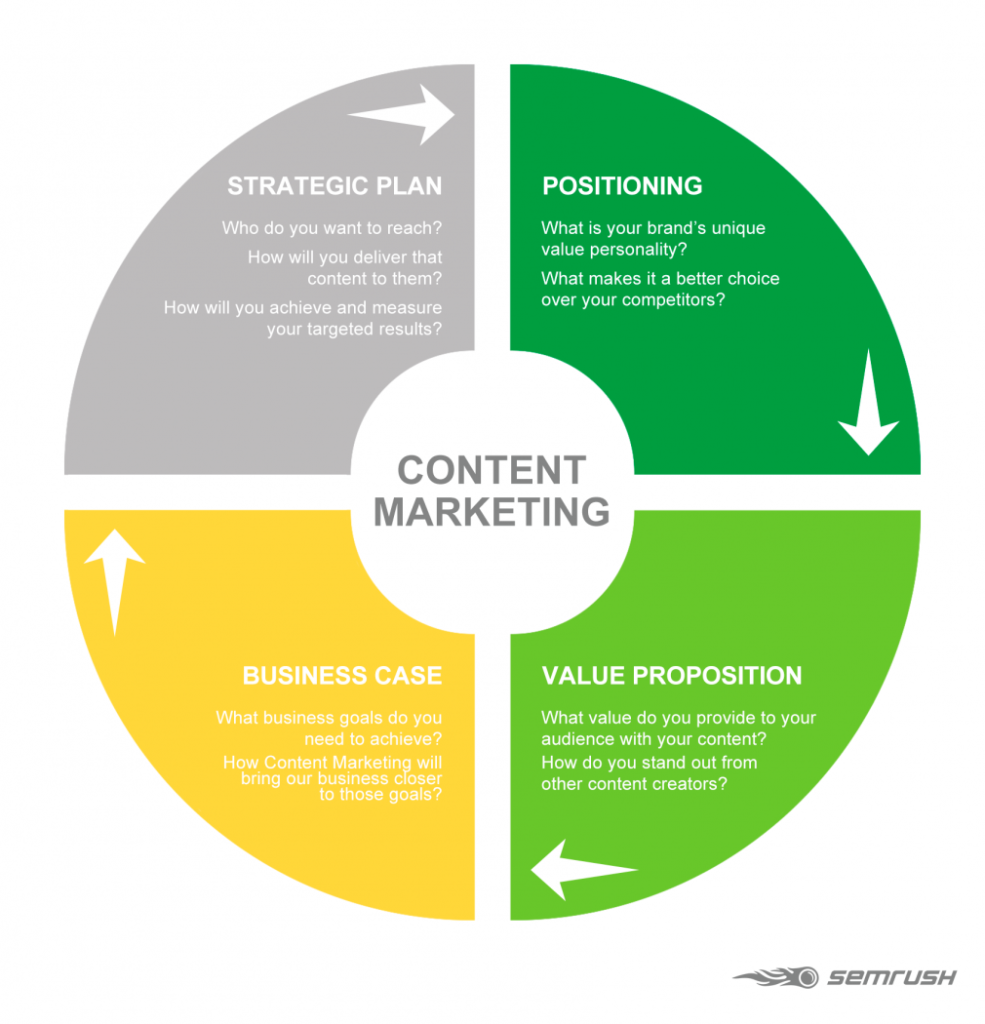
A content marketing brief (often simply called a content brief) is a strategic planning document that outlines the requirements, goals, and guidelines for a specific piece of content—such as a blog post, video, whitepaper, or landing page—before creation begins.
The ultimate goal of content marketing is to build trust, increase brand awareness, generate leads, and drive profitable customer actions.
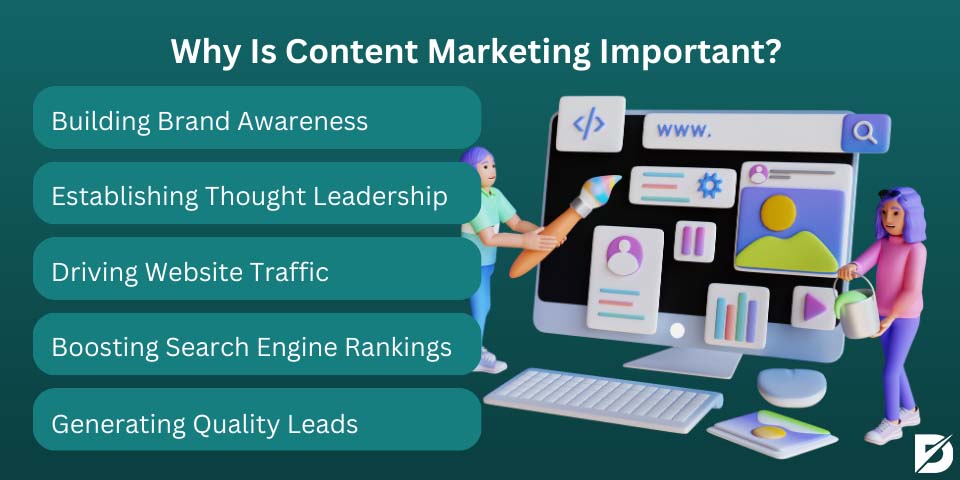
Why is Content Marketing Important?
Content marketing helps businesses:
- Attract potential customers.
- Build brand authority and credibility.
- Improve search engine rankings.
- Increase website traffic.
- Generate quality leads.
- Strengthen customer relationships.
- Boost conversions and sales.
- Why is a Content Important?
- Prevents Misalignment: Ensures writers and stakeholders share the same vision, minimizing endless rounds of revisions.Saves Time: Clear instructions mean creators spend less time guessing and more time producing high-quality work. Improves Quality & Consistency: Helps maintain a consistent brand voice and ensures SEO and marketing goals are baked into the content from the start.
Types of Content Marketing
1. Blog Posts
Blogs provide informative articles that answer customer questions, educate readers, and improve SEO performance.
2. Social Media Content
Businesses share posts, images, videos, and stories on platforms such as Facebook, Instagram, and LinkedIn to engage with their audience.
3. Video Marketing
Videos are highly engaging and can be used for tutorials, product demonstrations, customer testimonials, and brand storytelling.
4. Infographics
Infographics present complex information in a visually appealing and easy-to-understand format.
5. E-books and Guides
Detailed resources help businesses establish expertise while generating leads through downloads.
6. Email Newsletters
Regular newsletters keep customers informed about industry updates, company news, and special offers.
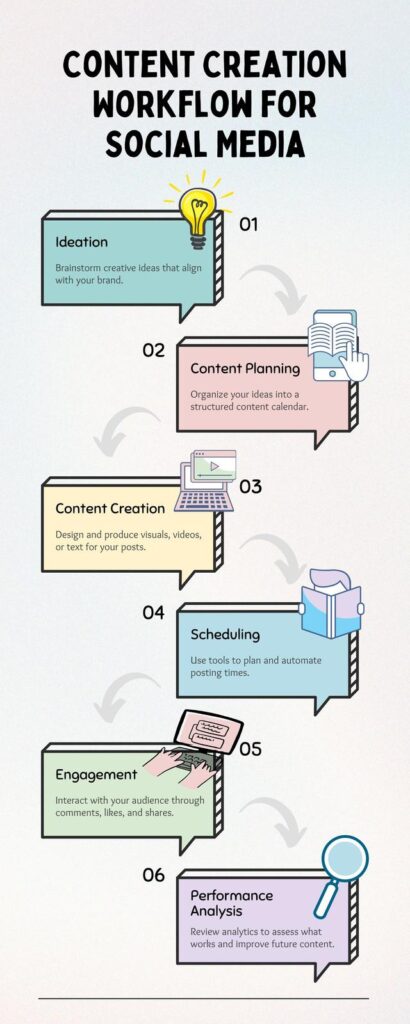
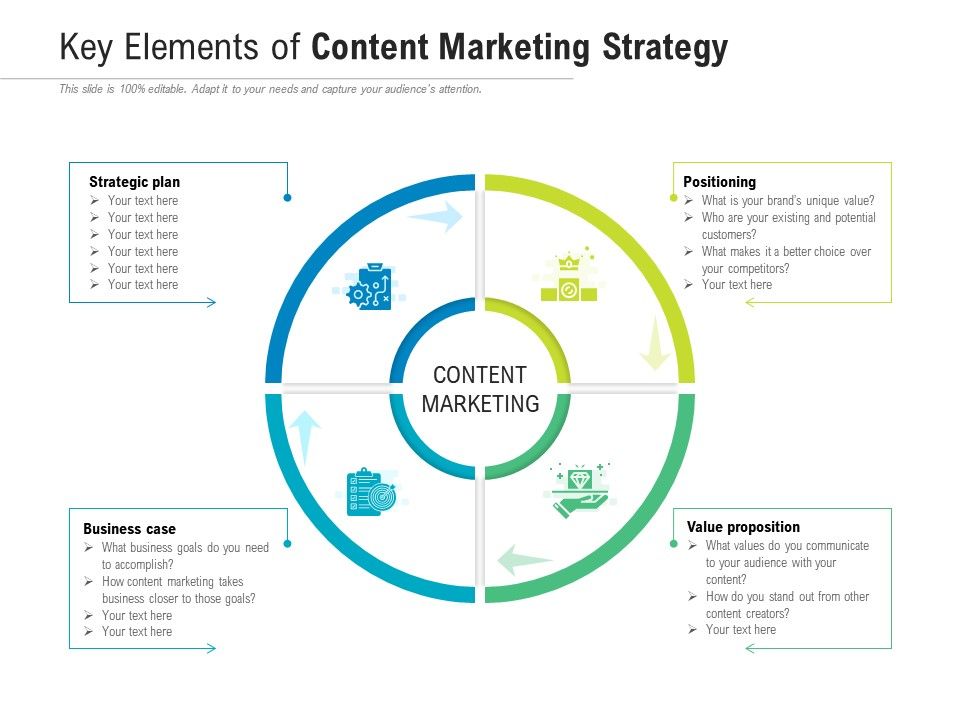
Key Elements of Successful Content Marketing
Audience Research
Understanding the needs, interests, and challenges of the target audience is essential.
Valuable Content
Content should be informative, relevant, and helpful to readers.
Consistency
Publishing content regularly helps maintain audience engagement and brand visibility.
SEO Optimization
Using relevant keywords and optimizing content for search engines increases organic traffic.
Content Distribution
Sharing content through websites, social media, email, and other channels maximizes reach.
Key Components of a Content Brief
A comprehensive content brief typically includes:
- Project Overview & Objectives: What is the content about, and what is its primary goal (e.g., generate leads, drive organic traffic, build brand awareness)?
- Target Audience: Who is this for? Includes demographics, pain points, and where they sit in the buyer’s journey.
- SEO Requirements: Primary and secondary keywords, search intent, meta descriptions, and internal/external links to include.
- Angle & Unique Value Proposition: What makes this piece different or more insightful than what competitors have already published?
- Structure & Outline: Recommended headings (H2s, H3s), key sections, or required questions the content must answer.
- Tone & Voice: Guidelines on style (e.g., professional, conversational, authoritative) and a reference to the brand style guide.
- Formatting & Logistics: Target word count or video length, formatting rules, deadlines, and milestones.
- Call to Action (CTA): The specific action you want the reader to take after consuming the content.
Key Components of a Content Brief
A comprehensive content brief typically includes:
- Project Overview & Objectives: What is the content about, and what is its primary goal (e.g., generate leads, drive organic traffic, build brand awareness)
- Target Audience: Who is this for? Includes demographics, pain points, and where they sit in the buyer’s journey.
- SEO Requirements: Primary and secondary keywords, search intent, meta descriptions, and internal/external links to include. www.aimarketingsite.com
- Angle & Unique Value Proposition: What makes this piece different or more insightful than what competitors have already published? www.aimarketingsite.com
- Structure & Outline: Recommended headings (H2s, H3s), key sections, or required questions the content must answer.
- Tone & Voice: Guidelines on style (e.g., professional, conversational, authoritative) and a reference to the brand style guide. Right Side Up
- Formatting & Logistics: Target word count or video length, formatting rules, deadlines, and milestones.
- Call to Action (CTA): The specific action you want the reader to take after consuming the content.
Why is a Content Brief Important?
- Prevents Misalignment: Ensures writers and stakeholders share the same vision, minimizing endless rounds of revisions.
- Saves Time: Clear instructions mean creators spend less time guessing and more time producing high-quality work.
- Improves Quality & Consistency: Helps maintain a consistent brand voice and ensures SEO and marketing goals are baked into the content from the start.